image prompt
European City Pop-Up Dioramas
by KiwiMotion · 180 prompts
Made with GPT Image 2
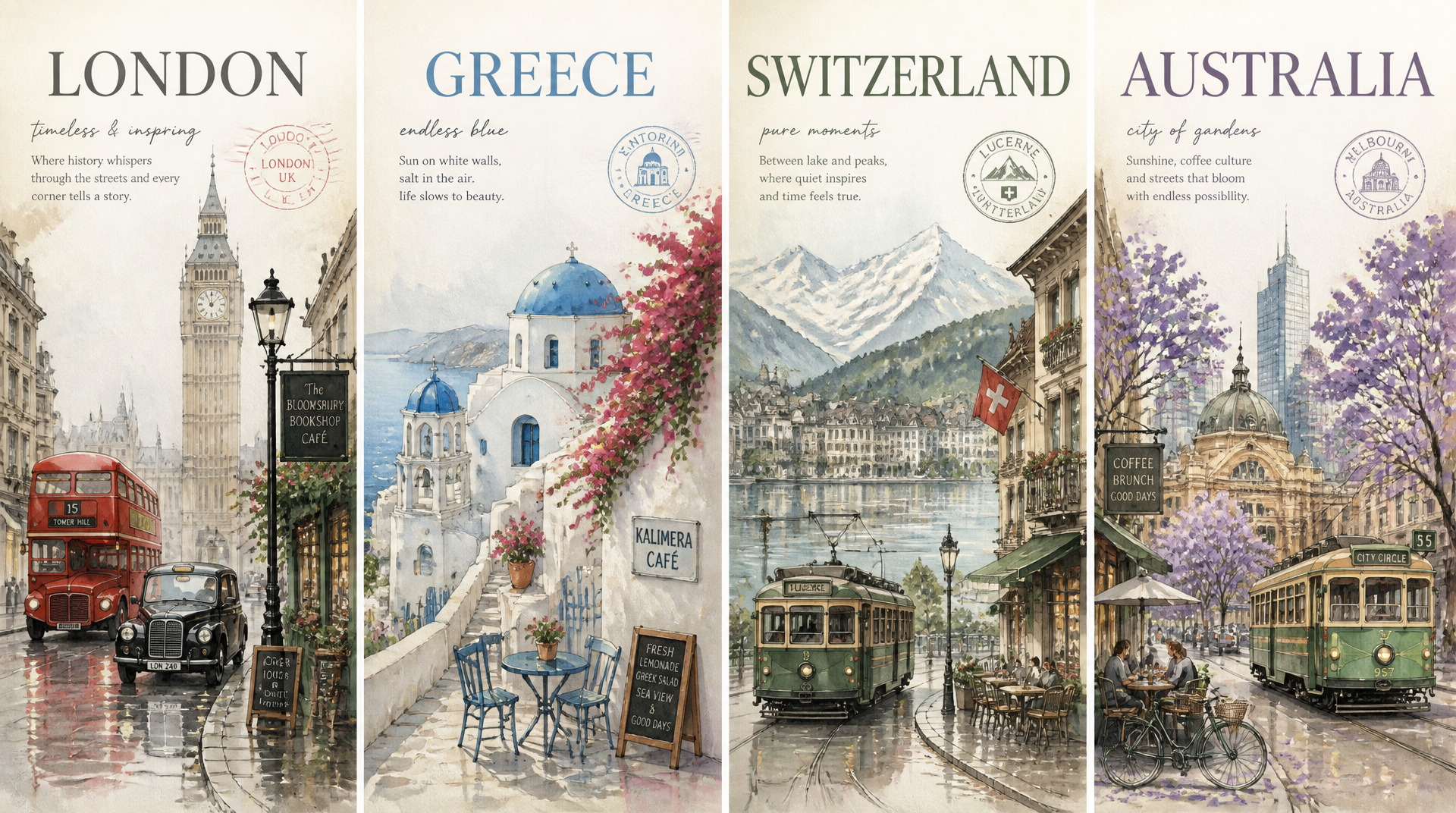
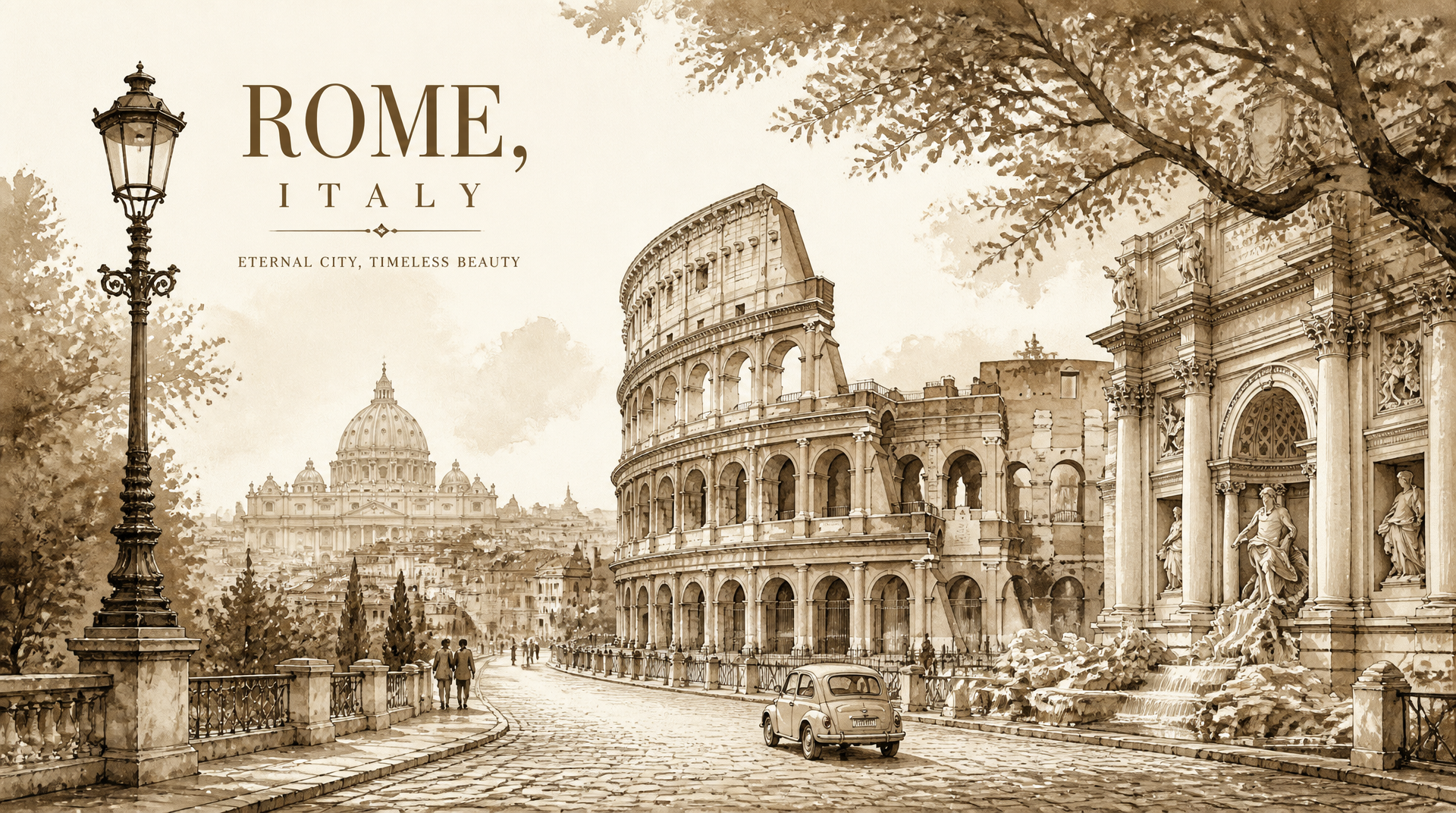
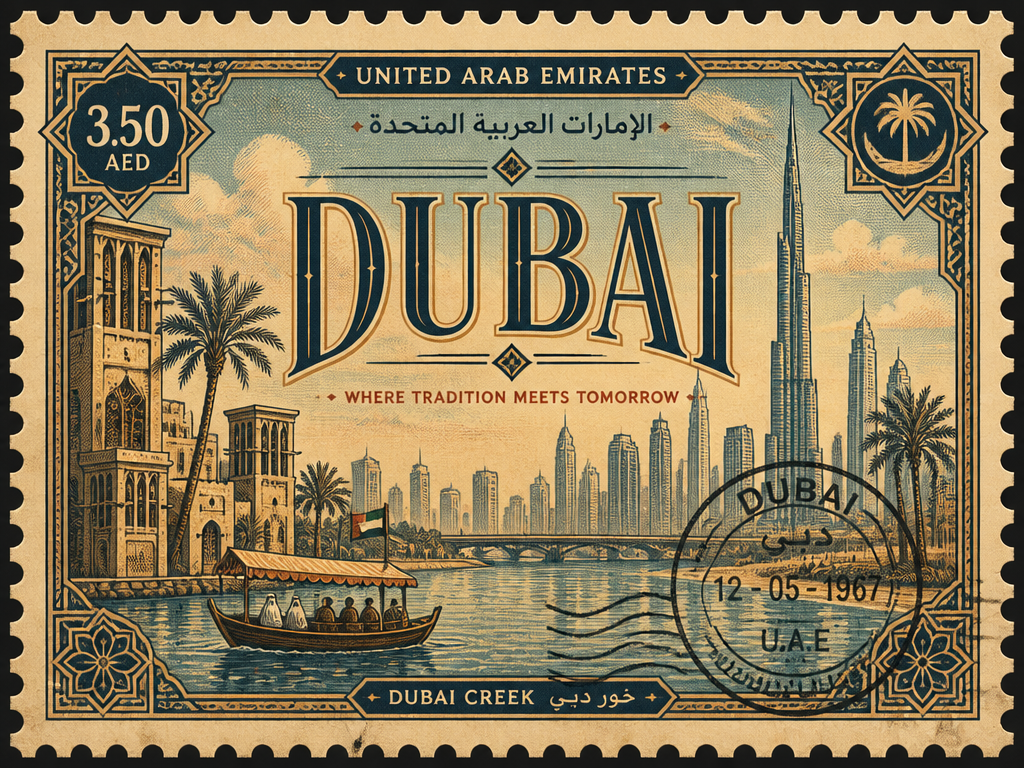
European City Pop-Up Dioramas. Create a 2x2 comparison grid featuring four important European cities as photorealistic miniature pop-up book dioramas.
Prompt
Create a **2x2 comparison grid** featuring four important **{argument name="subject" default="European cities"}** as photorealistic miniature pop-up book dioramas. For each panel, infer the visual identity of the selected city automatically rather than relying on fixed presets. ### Core Concept Each city should emerge physically from an open book page as an intricate **paper-engineered miniature world**. Use the book itself as the structural foundation, with architecture, streets, terrain, monuments, infrastructure, and cultural details rising organically from the printed surface. ### Automatic City Interpretation For each selected city, infer: * defining architectural character * recognizable urban forms * terrain and geography * transportation or infrastructure * local cultural motifs * characteristic street patterns * public spaces * scale cues such as tiny pedestrians, vehicles, trees, or street furniture * visual details that make the location recognizable without turning it into a generic tourism collage Do not hard-code specific European cities or landmarks unless they are supplied in the input. ### Pop-Up Engineering Make every city feel genuinely constructed from paper and cardstock. Show believable mechanisms such as: * folded building façades * layered paper platforms * rising staircases * tabs and slots * articulated hinges * support struts * accordion folds * hidden structural braces * interlocking paper layers * cut-paper bridges and streets The engineering should appear functional and physically possible, like an exceptionally sophisticated handcrafted pop-up book. ### Base Page The flat page beneath each city should contain city-specific printed information inferred from the location, such as: * simplified street maps * architectural sketches * transit diagrams * topographic lines * planning grids * historical map fragments * subtle editorial annotations Keep these details secondary to the dimensional city rising above them. ### Typography Integrate the inferred city name into the construction itself. The lettering may appear as: * raised paper typography * folded dimensional letters * cut-paper architectural forms * structural signage embedded into the diorama Typography should feel physically fabricated from the same paper materials rather than digitally overlaid. ### Material Direction Everything should feel handcrafted from: * premium paper * thick cardstock * printed ink * miniature model board * folded paper components * precision-cut edges * subtle adhesive joins * finely engineered paper mechanisms Include believable paper fibers, fold lines, edge thickness, shadows, and slight handcrafted imperfections. ### Composition Treat each of the four panels as its own complete miniature city portrait while maintaining one unified visual system across the grid. The cities should feel clearly different from one another in architecture, layout, terrain, and cultural character, yet belong to the same collectible pop-up atlas series. Use clean studio presentation, controlled lighting, realistic miniature depth, subtle shadows, and premium product-photography styling. ### Avoid * hard-coded cities * fixed landmarks or monuments * generic Eiffel-Tower / cathedral / castle clichés * repeated architecture across all panels * arbitrary maps * fake cultural details * plastic toy appearance * conventional CGI city models * flat printed illustrations pretending to be 3D * floating buildings without paper mechanisms * random decorative typography * generic travel-poster styling The final result should feel like a **luxury handcrafted European city atlas transformed into four intricate pop-up architectural sculptures**, photographed as a premium miniature design object.